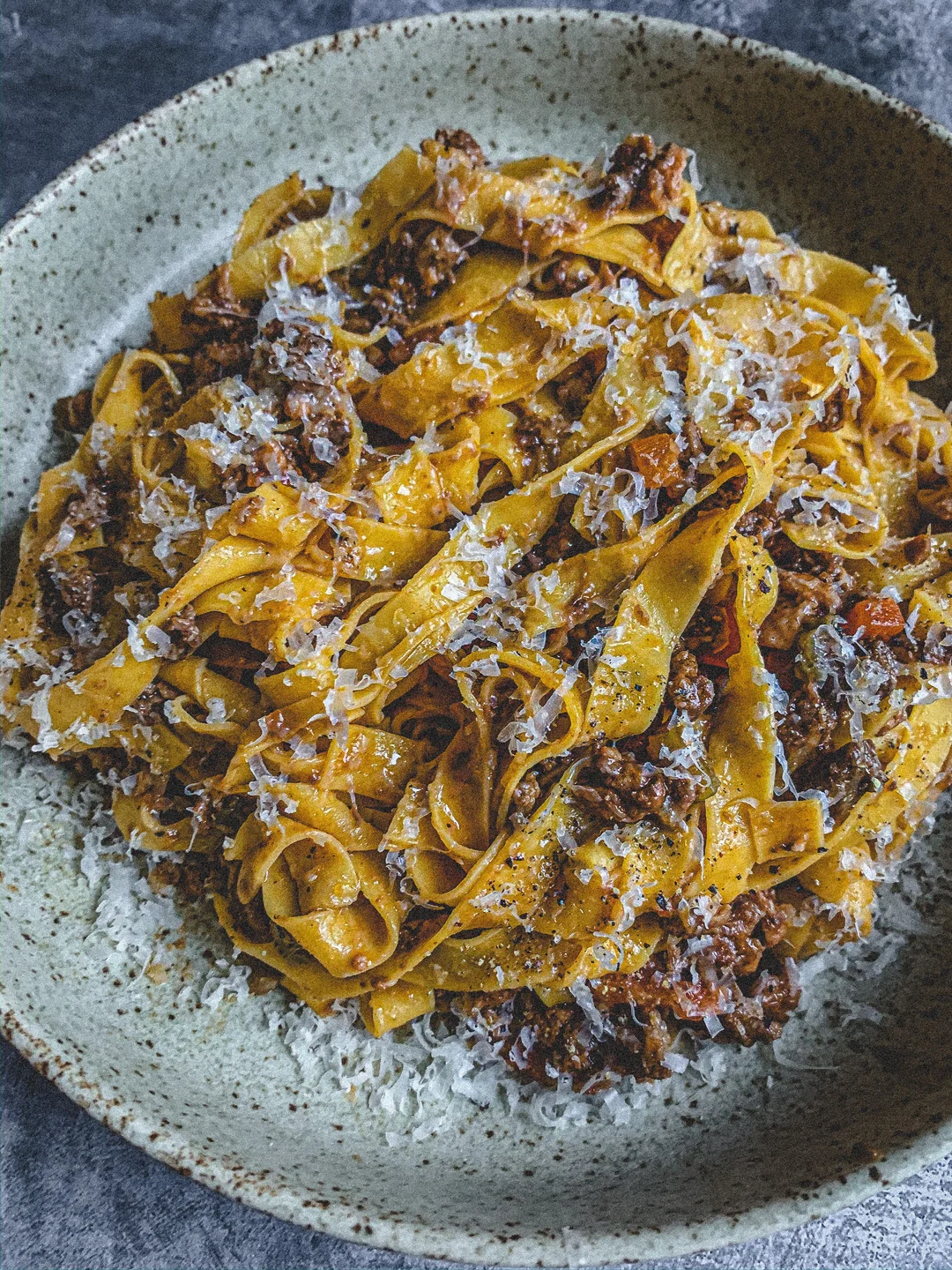
Introduction to Ragù alla Bolognese
There’s something magical about a pot of simmering sauce that fills the kitchen with warmth and nostalgia. Ragù alla Bolognese is that sauce—rich, hearty, and utterly satisfying. It’s the kind of dish that brings family and friends together, perfect for a cozy dinner or a special occasion. Whether you’re a seasoned cook or just starting out, this recipe is your ticket to impressing loved ones without spending all day in the kitchen. With a few simple ingredients and a little patience, you’ll create a meal that feels like a warm hug on a plate.
Why You’ll Love This Ragù alla Bolognese
This Ragù alla Bolognese is a game-changer for any home cook. It’s not just about the incredible taste; it’s also about the ease of preparation. With a little chopping and sautéing, you can set it to simmer and let the magic happen. The longer it cooks, the better it gets! Plus, it’s a versatile sauce that pairs beautifully with various pastas, making it a go-to for any occasion.
Ingredients for Ragù alla Bolognese
Gathering the right ingredients is the first step to creating a delicious Ragù alla Bolognese. Each component plays a vital role in building that rich, layered flavor. Here’s what you’ll need:
- Beef: Hand-minced beef like chuck or brisket adds depth. It’s the heart of the sauce.
- Pork: Shoulder pork brings a touch of sweetness and richness. It complements the beef beautifully.
- Extra Virgin Olive Oil (EVOO): A good quality EVOO is essential for sautéing and adds a fruity note.
- Onion: Diced onion provides a sweet base flavor that enhances the sauce.
- Celery: This aromatic vegetable adds a subtle earthiness and depth.
- Carrot: Diced carrot contributes natural sweetness, balancing the savory elements.
- Tomato Paste: Concentrated tomato paste intensifies the sauce’s flavor and gives it that beautiful color.
- Red Wine: A cup of red wine adds acidity and complexity. Choose a wine you’d enjoy drinking.
- Stock: Chicken or beef stock enhances the sauce’s richness. Homemade is best, but store-bought works too.
- Whole Milk: This creamy addition makes the sauce velvety and helps mellow the acidity of the tomatoes.
- Cinnamon Stick: A surprising yet delightful addition that adds warmth and depth.
- Bay Leaf: This herb infuses the sauce with a subtle, aromatic flavor.
- Lemon Peel: A segment of lemon peel brightens the sauce, cutting through the richness.
- Nutmeg: A pinch of nutmeg adds warmth and a hint of spice.
- Salt & Black Pepper: Essential for seasoning, adjust to your taste.
For exact measurements, check the bottom of the article where you can find everything listed for easy printing. Remember, using high-quality ingredients will elevate your Ragù alla Bolognese to new heights!
How to Make Ragù alla Bolognese
Creating the perfect Ragù alla Bolognese is a labor of love, but trust me, it’s worth every minute. Follow these steps, and you’ll be on your way to a sauce that’s rich, hearty, and utterly delicious.
Step 1: Prepare the Meat
Start by finely chopping your beef and pork into a coarse mince. Use a sharp knife or a heavy cleaver for this task. The goal is to create small, even pieces that will cook evenly. This step is crucial because it ensures that the meat will absorb all the flavors of the sauce. Plus, it gives your ragù that authentic texture.
Step 2: Sauté the Beef
Next, heat a heavy-bottomed pot over high heat. Add enough Extra Virgin Olive Oil to cover the bottom about 1/4 inch thick. Once the oil is hot, toss in the minced beef. Sauté it for about 6-7 minutes until it’s beautifully browned on the outside. This browning adds depth to your sauce. Once done, use a slotted spoon to remove the beef, leaving the rendered fat in the pot. Set the beef aside for later.
Step 3: Sauté the Pork
Now, repeat the sautéing process with the minced pork. Add it to the same pot, ensuring you keep that delicious rendered fat. Sauté until it’s browned, just like the beef. This step builds layers of flavor that make your Ragù alla Bolognese truly special. Once browned, remove the pork and set it aside with the beef.
Step 4: Cook the Vegetables
In the same pot, add your diced onions, carrots, and celery. Sauté these aromatic vegetables for 15-20 minutes. You want them to soften and develop a lovely sweetness. Stir occasionally to prevent sticking. This mix, known as soffritto, is the flavor foundation of your sauce.
Step 5: Combine Ingredients
Now it’s time to bring everything together. Pour in the red wine, scraping up any browned bits from the bottom of the pot. This adds even more flavor! Then, return the sautéed beef and pork to the pot. Add the tomato paste, stock, milk, cinnamon stick, bay leaf, lemon peel, and a pinch of nutmeg. Season with salt and black pepper to taste. Give everything a good stir to combine.
Step 6: Simmer the Sauce
Lower the heat and let your ragù simmer gently for 3-6 hours. Yes, you read that right! The longer it cooks, the more tender and flavorful it becomes. Check it every half hour. If it starts to dry out, add a splash of water or stock. You’ll know it’s ready when the meat is tender and melts in your mouth.
Step 7: Serve with Tagliatelle
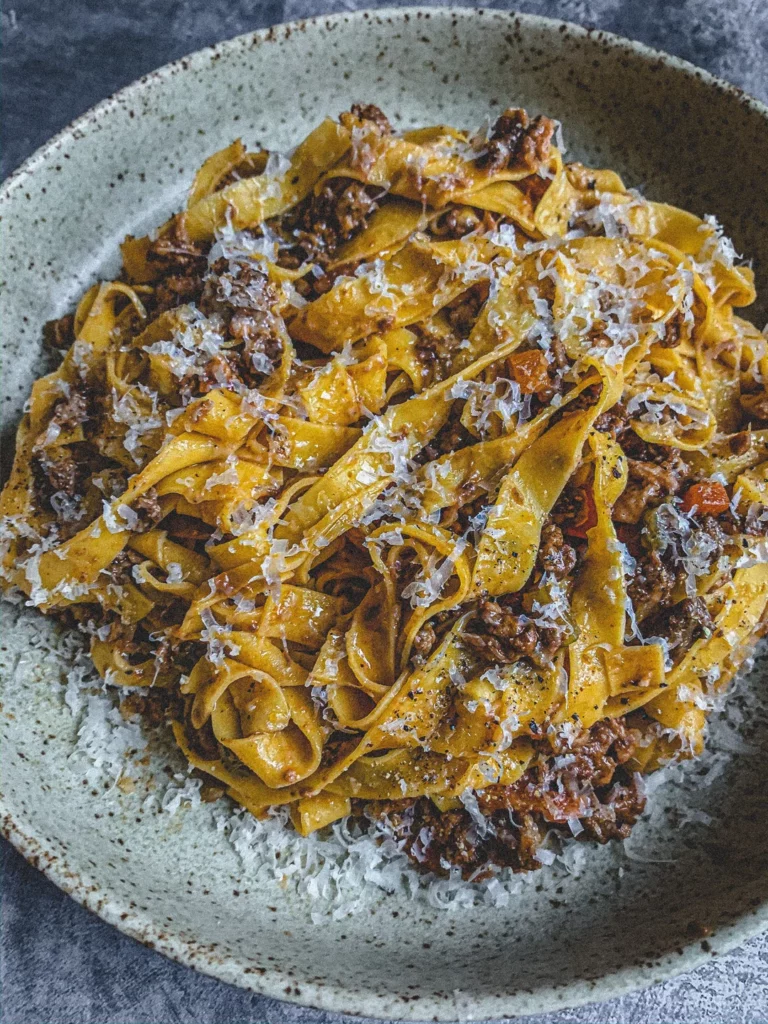
When your ragù is ready, cook the tagliatelle according to the package instructions. Drain it, but reserve a bit of the pasta water. Toss the pasta with your ragù, adding a splash of reserved water to make it saucy. Serve it hot, topped with freshly grated Parmigiano Reggiano cheese and a sprinkle of cracked black pepper. Enjoy it with a glass of red wine for the ultimate experience!
Tips for Success
- Use high-quality meat for the best flavor and texture.
- Don’t rush the simmering process; patience is key to a rich sauce.
- Adjust seasoning gradually; taste as you go.
- For a thicker sauce, let it simmer uncovered for the last hour.
- Pair with fresh tagliatelle for an authentic experience.
Equipment Needed
- Heavy-Bottomed Pot: A Dutch oven works great, but any sturdy pot will do.
- Sharp Knife: Essential for mincing meat; a cleaver is a solid alternative.
- Slotted Spoon: Perfect for removing meat without losing the flavorful fat.
- Wooden Spoon: Ideal for stirring and scraping the pot.
- Meat Thermometer: Optional, but helpful for checking doneness.
Variations of Ragù alla Bolognese
- Vegetarian Option: Substitute the meat with a mix of finely chopped mushrooms, lentils, and walnuts for a hearty, plant-based version.
- Spicy Twist: Add red pepper flakes or diced jalapeños to the sautéed vegetables for a kick of heat.
- Herb-Infused: Incorporate fresh herbs like thyme or rosemary during the simmering process for an aromatic boost.
- Wine Variations: Experiment with different types of red wine, such as Chianti or Merlot, to alter the flavor profile.
- Gluten-Free Pasta: Serve with gluten-free pasta options like rice noodles or zucchini noodles for a lighter meal.
Serving Suggestions for Ragù alla Bolognese
- Side Salad: A simple arugula salad with lemon vinaigrette complements the richness of the sauce.
- Crusty Bread: Serve with warm, crusty Italian bread for dipping into the sauce.
- Wine Pairing: A glass of Chianti or Sangiovese enhances the meal beautifully.
- Garnish: Finish with fresh basil or parsley for a pop of color.
FAQs about Ragù alla Bolognese
What makes Ragù alla Bolognese different from other pasta sauces?
Ragù alla Bolognese stands out due to its rich combination of minced beef and pork, slow-cooked with vegetables and aromatic ingredients. Unlike lighter tomato-based sauces, this ragù is hearty and deeply flavorful, making it a comforting choice for pasta lovers.
Can I make Ragù alla Bolognese ahead of time?
Absolutely! In fact, making it ahead allows the flavors to meld beautifully. You can store it in the fridge for up to three days or freeze it for up to three months. Just reheat gently before serving.
What pasta pairs best with Ragù alla Bolognese?
Tagliatelle is the traditional choice, as its flat shape holds the sauce well. However, you can also use pappardelle or fettuccine. Just make sure to cook the pasta al dente for the best texture.
Can I use ground meat instead of hand-minced meat?
While hand-minced meat gives a unique texture and flavor, you can use ground beef and pork if that’s what you have on hand. Just be sure to choose high-quality options for the best results.
Is Ragù alla Bolognese gluten-free?
The sauce itself is gluten-free, but be mindful of the pasta you choose. Opt for gluten-free pasta varieties to keep the entire dish suitable for those with gluten sensitivities.
Final Thoughts
Cooking Ragù alla Bolognese is more than just preparing a meal; it’s about creating memories. The aroma wafting through your kitchen will transport you to an Italian trattoria, where every bite tells a story. This sauce is a celebration of flavors, patience, and love. Whether you’re sharing it with family or enjoying a quiet night in, each spoonful brings comfort and joy. So, roll up your sleeves, embrace the process, and let this ragù become a cherished part of your culinary repertoire. Trust me, once you master it, you’ll find yourself making it again and again!
Print
Ragù alla Bolognese: Discover the Ultimate Pasta Sauce!
- Total Time: 3-6 hours 30 minutes
- Yield: 4–6 servings 1x
- Diet: Gluten Free
Description
Ragù alla Bolognese is a rich and hearty Italian pasta sauce made with minced beef and pork, vegetables, and a blend of aromatic ingredients, perfect for serving over tagliatelle.
Ingredients
- 250g beef, hand minced (chuck, brisket, short rib, shank all work)
- 250g pork, hand minced (shoulder is best)
- Extra Virgin Olive Oil (EVOO)
- 1 onion, diced
- 1 rib celery, diced
- 1 carrot, diced
- 2.5 tbs tomato paste (concentrated)
- 1 cup red wine
- 1 cup stock (chicken or beef) + more for topping up
- 1 cup whole milk
- 1 cinnamon stick
- 1 bay leaf
- a largish segment of lemon peel
- A little pinch of nutmeg
- Salt & black pepper to taste
Instructions
- Use a sharp knife or a heavy cleaver to finely chop the meat into a coarse mince.
- Heat a heavy bottomed pot on high-heat, add enough EVOO to cover the bottom about 1/4 inch thick, then add beef and sauté for 6-7 minutes until browned on the outside. Remove the beef with a slotted spoon ensuring you leave rendered fat in the pot and set aside.
- Repeat the above step for the pork.
- Add onions, carrot, celery and sauté for 15 – 20 minutes.
- Add red wine, then the beef and pork back in, then tomato paste, stock, milk, cinnamon, bay leaf, nutmeg, and lemon peel. Give everything a good stir and season with salt (about 1 tbs) and black pepper.
- Simmer on low heat for 3-6 hours – taste every half an hour; if it gets dry top up with either water or stock. It’s done when the meat is tender and no longer chewy; obviously the longer you cook the more tender/melt in your mouth it will get.
- To serve, cook tagliatelle egg pasta according to packet instructions and add as much ragù as you like along with a dash of reserved pasta water to make it a little saucy. Top with grated Parmiggiano Reggiano cheese and cracked black pepper. Enjoy with a glass of red wine!
Notes
- For best results, use high-quality meat and fresh ingredients.
- Cooking time can vary; longer cooking will yield a more tender sauce.
- Adjust seasoning to taste.
- Prep Time: 30 minutes
- Cook Time: 3-6 hours
- Category: Main Course
- Method: Simmering
- Cuisine: Italian
Nutrition
- Serving Size: 1 cup
- Calories: 450
- Sugar: 4g
- Sodium: 600mg
- Fat: 25g
- Saturated Fat: 8g
- Unsaturated Fat: 15g
- Trans Fat: 0g
- Carbohydrates: 10g
- Fiber: 1g
- Protein: 35g
- Cholesterol: 90mg
Keywords: Ragù alla Bolognese, pasta sauce, Italian cuisine, tagliatelle